Foster and adopted children face educational obstacles that go beyond typical academic struggles. Frequent moves and school changes disrupt their learning. Trauma impacts memory, focus, and emotional regulation in the classroom. Learning gaps accumulate when children move between districts or miss school during transitions between placements. These students often need specialized student support to thrive academically and socially.
Whether you’re new to fostering or recently adopted a child, understanding how to advocate for your child’s education can make all the difference in their academic and future success.
Legal Framework and Educational Rights
Understanding your child’s educational rights is the foundation of effective advocacy in foster education. Federal law provides strong protections that schools must follow.
Immediate Enrollment and School Stability
The Every Student Succeeds Act (ESSA) guarantees that foster and adopted children can enroll in school immediately after completing a move. School enrollment can’t be delayed just because records or documents are missing. Schools must work with you to obtain paperwork while your child attends classes.
ESSA also prioritizes keeping children in their original school when possible, even if they move to a new foster or adoptive home. When staying put serves your child’s best interests, the law requires the school district to provide transportation. This stability helps maintain friendships, activities, and academic progress during difficult transitions.
In Arizona, a Best Interest Determination (BID) meeting brings together key stakeholders to decide whether staying at their original school serves the child’s best interests. Foster parents, caseworkers, and school representatives collaborate to consider factors such as academic progress, social connections, and commute time before finalizing placement decisions.
Special Education and Accommodations
The Individuals with Disabilities Education Act (IDEA) guarantees access to student evaluations and services. If your child struggles academically or behaviorally, request a comprehensive assessment. This federal right applies everywhere in the US, but the exact procedures and timelines can vary depending on your state or school district.
Children who qualify for special education receive an Individualized Education Program (IEP), which outlines specialized instruction and related services tailored to their specific learning needs. Children who need support but don’t qualify for special education may benefit from a 504 plan. This provides accommodations such as extended timeframes for completing tests, preferential seating, or additional breaks when needed.
Educational Decision-Making
Every foster or adopted child needs someone with legal authority to make decisions about their education. Under the federal IDEA, the term “parent” includes a biological or adoptive parent, a foster parent, a guardian authorized to act as the child’s parent, an individual acting in the place of a parent (such as a grandparent or other relative the child lives with), or a surrogate parent appointed for special education purposes.
When more than one person meets the IDEA definition of “parent,” the biological or adoptive parent is usually considered the educational decision maker. However, this does not apply if they don’t have legal authority to make educational decisions or if a court order assigns that authority to someone else.
Foster parents or kinship caregivers may serve as educational decision makers when they meet the IDEA definition of a parent. If no qualifying individual is available, schools must arrange for the appointment of a surrogate parent. Federal law requires that a surrogate parent be assigned within 30 days after determining that a child needs one.
If you live in Arizona, you don’t have to figure it out alone. Community events can be a meaningful way to connect with other foster and adoptive parents who have faced similar situations.
Navigating Common School Issues
Behavioral interventions work best when schools understand that challenging behaviors often stem from trauma rather than defiance. Advocate for trauma-informed schools that recognize how adverse childhood experiences affect learning and behavior. Push back against unnecessary punitive discipline.
Here are some common challenges and advocacy responses:
- School transfers: Insist on immediate credit transfer and appropriate grade placement based on transcripts.
- Discipline issues: Request functional behavior assessments and positive behavior support plans instead of suspensions.
- Social integration: Ask about peer mentoring programs, counseling services, and clubs that build a sense of belonging.
- Academic struggles: Request comprehensive evaluations to identify specific learning needs and appropriate interventions.
- Service access: Don’t accept delays in special education evaluations or implementation of existing plans.
Document everything. Keep written records of conversations, save emails, and take notes during meetings. This documentation becomes essential if you need to escalate concerns through the district’s complaint process.
Resources and Support Systems
Numerous resources exist to support you. Taking advantage of these services strengthens your advocacy and connects you to people who understand your situation.
Key resources include:
- Educational advocacy organizations: In Arizona, several nonprofit organizations provide support to foster and adoptive families. They can provide help with tutoring, mentoring, funding for educational expenses such as class trips and graduation costs, and general information about navigating school systems.
- Arizona Department of Education: The state education agency provides guidance on special education rights and resources to help parents understand and navigate special education services.
- The Arizona Association for Foster and Adoptive Parents (AZAFAP) Resource Center: This hub compiles education links, contacts, and guidance in one accessible location.
- Financial assistance: Arizona offers a tuition waiver covering remaining tuition and fees at public colleges for eligible foster youth, plus education and training vouchers providing up to $5,000 per academic year for school expenses.
Don’t navigate these systems alone. Experienced advocates and parent mentors can guide you through processes that feel overwhelming at first. AZAFAP membership provides access to family support resources, parent trainings, and member events that help build community connections.
Creating Long-Term Educational Success
Effective advocacy looks beyond immediate academic performance to build skills your child needs throughout life. Set realistic goals that celebrate progress over perfection. Help your child develop self-advocacy skills by including them in age-appropriate discussions about their educational needs and goals.
Educational success means developing confidence, building healthy relationships, discovering interests, and gaining life skills. Stay connected with the latest g uidance and stories from AZAFAP, and keep showing up, asking questions, and insisting your child receives the support they deserve.
About AZAFAP
Our mission at AZAFAP is to strengthen and support foster, kinship, and adoptive families across Arizona through education, emotional support, and community events. Since 2003, we’ve been building a community for families who care for Arizona’s most vulnerable children.
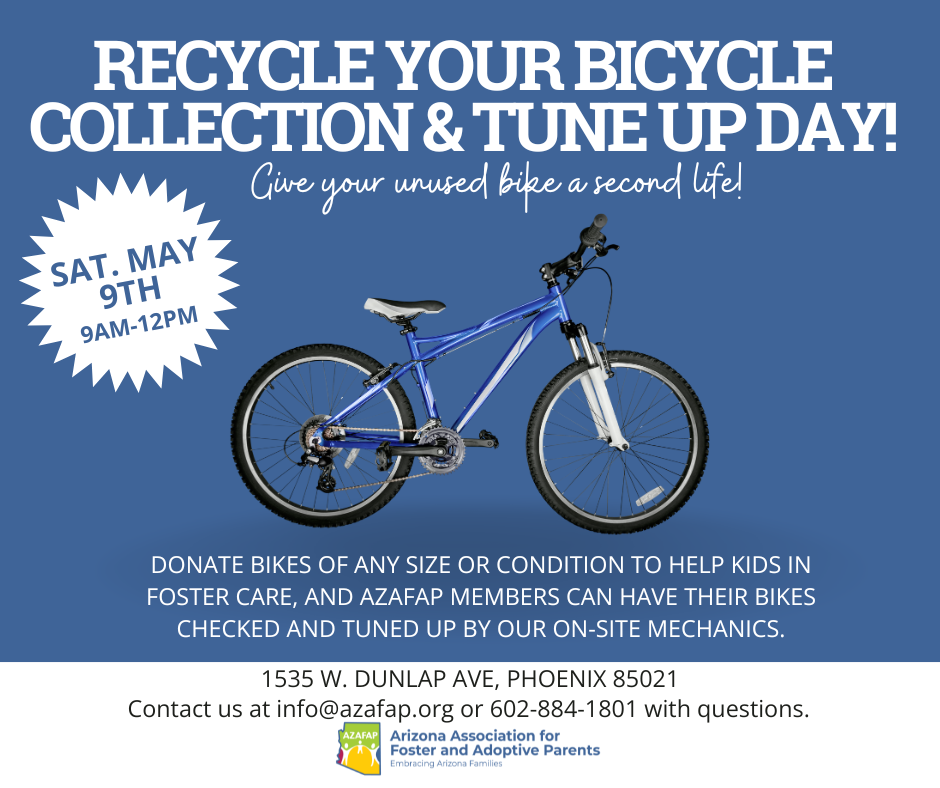
Through programs such as Family Connections events, Recycle Your Bicycle, and Jose’s Closet, we provide the resources and relationships that help families thrive on their journey.
Ready to connect with other families like yours? Explore our membership options and join a caring community that understands the unique rewards and challenges of foster, kinship, and adoptive parenting.